Blood Moon March 2025: When and How to See the Total Lunar Eclipse
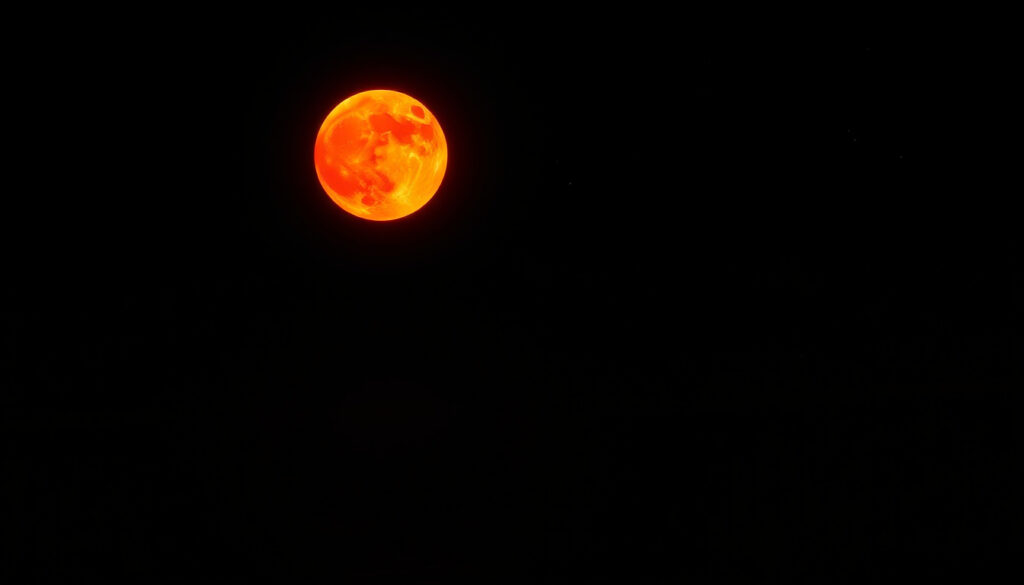
Something about the way the Moon turns a deep, coppery red draws people outside at odd hours. The March 2025 total lunar eclipse — the first of two this year — gave skywatchers across the Americas exactly that sight. NASA clocked totality at about 65 minutes, making it a leisurely show for anyone willing to stay up late or wake early. Here’s what you need to know about the timing, the science, and the lore behind this blood moon.
Total lunar eclipses in 2025: 2 · First blood moon date: March 13–14, 2025 · Second blood moon date: September 7, 2025 · March 2025 totality duration: ~65 minutes · Next blood moon after 2025: March 3, 2026
Quick snapshot
- Total lunar eclipse on March 13–14, 2025 (NASA Science)
- Totality lasted ~65 minutes (SYFY Wire)
- Visible across Americas, parts of Europe and Africa (NASA Science)
- No special eye protection needed (NASA Science)
- Impact on animal behavior — only anecdotal reports exist (Farmers’ Almanac)
- Local weather conditions affecting visibility on the night (Farmers’ Almanac)
- March 13–14, 2025: First total lunar eclipse (NASA Science)
- September 7, 2025: Second total lunar eclipse (SYFY Wire)
- Next blood moon after 2025: March 3, 2026
- Second 2025 eclipse on September 7 visible from Asia, Australia, parts of Europe and Africa
Six key facts about the March 2025 blood moon, one pattern: the first of two eclipses in a single year, with distinct visibility for different hemispheres.
The table below captures the essential numbers for planning your viewing.
| Fact | Value |
|---|---|
| March 2025 Eclipse Date | March 13–14, 2025 |
| March 2025 Eclipse Type | Total lunar eclipse (blood moon) |
| March 2025 Totality Duration | About 65 minutes |
| September 2025 Eclipse Date | September 7, 2025 |
| Number of Blood Moons in 2025 | 2 |
| Next Blood Moon After 2025 | March 3, 2026 |
When can you see the blood moon in 2025?
What time is the March 2025 blood moon visible?
- NASA lists totality beginning at 11:26 pm PDT (March 13), 2:26 am EDT (March 14), and 06:26 UTC (NASA Science).
- Totality lasted from about 2:26 am to 3:31 am ET — roughly 65 minutes (SYFY Wire).
- The entire event, from penumbral start to end, covered about six hours (SYFY Wire).
What time is the September 2025 blood moon visible?
- The second total lunar eclipse of 2025 falls on September 7 (Astronomy Magazine).
- Exact timings vary by time zone, but the eclipse will favor observers in Asia, Australia, and parts of Europe and Africa.
Where can I see the March 2025 blood moon?
- NASA states the eclipse was visible from Earth’s Western Hemisphere (NASA Science).
- Space.com reports that viewers in the western half of South America and nearly all of North America could see the eclipse (SYFY Wire).
- Astronomy Magazine says observers across North and South America, Asia, Australia, the Arctic, and Antarctica could catch at least some portion if skies were clear (Astronomy Magazine).
- Farmers’ Almanac describes it as an after-midnight event for the eastern half of North America, while viewers farther west experienced it before midnight local time (Farmers’ Almanac).
What does Blood Moon mean?
What causes the red color of a blood moon?
- NASA explains that the Moon appears coppery red during totality because Earth’s atmosphere scatters shorter wavelengths (blue light) and bends the remaining red light onto the Moon (NASA Science).
- This is the same physics that makes sunrises and sunsets red.
How is a total lunar eclipse different from a partial eclipse?
- Totality occurs when the Moon is fully inside Earth’s umbral shadow; during a partial eclipse only a portion enters the umbra (NASA Science).
The same shadow that hides the Moon also paints it red. That coppery glow is sunlight filtered through every sunrise and sunset on Earth at once — a planetary-scale light show.
How many blood moons do we have in 2025?
Is the March 2025 full moon a blood moon?
- Yes — because it coincides with a total lunar eclipse, the March full moon is classified as a blood moon (NASA Science).
Is the September 2025 full moon a blood moon?
- The September 7 total lunar eclipse also makes that full moon a blood moon (Astronomy Magazine).
Are blood moons rare?
- Total lunar eclipses occur roughly every 2.5 years at a given location on average (SYFY Wire).
- Having two in one calendar year (2025) is less common but not unprecedented.
What’s so special about March’s full moon?
Why is the March full moon called the Worm Moon?
- Farmers’ Almanac notes the name comes from earthworms emerging as the soil thaws in early spring (Farmers’ Almanac).
What other names does the March full moon have?
- Also known as Crow Moon, Sap Moon, and Lenten Moon (Farmers’ Almanac).
- In 2025, the March full moon is additionally a blood moon due to the total lunar eclipse.
The March full moon’s folk names reflect seasonal transitions. When a total lunar eclipse coincides, it transforms a familiar monthly event into a spectacle that blends astronomy with cultural tradition.
Can animals sense a Blood Moon?
Do pets react to lunar eclipses?
- Anecdotal reports suggest some pets may become restless or confused during lunar eclipses, but no scientific consensus exists on animal perception of eclipses (Farmers’ Almanac).
What are common superstitions about blood moons?
- Common superstitions advise against making important decisions during a blood moon, and some cultures view it as an omen (SYFY Wire).
- Astronomically, there is no evidence that a lunar eclipse affects human behavior.
What should you do during a lunar eclipse?
- NASA recommends no special precautions — lunar eclipse viewing is safe for the eyes (NASA Science).
- For best results, find a dark environment away from bright lights. Binoculars or a telescope can enhance the view (NASA Science).
Timeline of the March 2025 total lunar eclipse
- March 13, 2025 (evening UTC): Partial lunar eclipse begins.
- March 13–14, 2025 (night): Totality – blood moon visible.
- March 14, 2025 (morning UTC): Partial eclipse ends.
- September 7, 2025: Second total lunar eclipse of 2025.
Clarity check: What’s confirmed vs. still unclear
Confirmed facts
- Exact eclipse dates and times (NASA Science)
- Visibility maps from NASA SVS (NASA SVS)
- Duration of totality: ~65 minutes
- Moon’s red color due to atmospheric scattering
- No special eye protection needed
What’s unclear
- Impact on animal behavior – only anecdotal evidence
- Local weather conditions that affected actual visibility
Expert perspectives
“During a total lunar eclipse, the Moon turns a deep, coppery red because Earth’s atmosphere scatters shorter wavelengths and bends the red light onto the Moon.”
— NASA Science (NASA Science)
“Viewers in the western half of South America and nearly all of North America could see the eclipse.”
— SYFY Wire (SYFY Wire)
The March 2025 blood moon was a predictable, well-documented event. For North American skywatchers, the chance to see a second one in September depends on being in the right hemisphere — or traveling. The next time the Americas get a comparable total lunar eclipse will be March 3, 2026. For anyone who missed this one, the pattern is clear: plan for the next, or catch the September show elsewhere.
Related reading: Layers of the Atmosphere: Complete Guide with Altitudes & Facts · How Many Days Are in a Year? Leap Year, Months & Origins For those interested in learning more about the blood moon, you can find additional details at $What is a bear market.
en.wikipedia.org, vaonis.com, youtube.com, space.com, youtube.com, youtube.com, facebook.com
For skywatchers in Ireland, the exact timings and visibility details are outlined in an Irish viewing guide for the March 2025 blood moon.
Frequently asked questions
What is the difference between a blood moon and a supermoon?
A blood moon refers to the red color during a total lunar eclipse; a supermoon is when the Moon is at perigee and appears larger. They can coincide but are separate phenomena.
Can you look directly at a blood moon without eye protection?
Yes. Unlike a solar eclipse, a lunar eclipse is safe to view with the naked eye. No special equipment is required.
Does a blood moon affect human behavior?
No scientific evidence supports behavioral changes. Superstitions exist, but there is no known physical effect.
How often do total lunar eclipses occur?
About every 2.5 years at a given location on average. Two can occur in a calendar year, as in 2025.
What is the spiritual meaning of a blood moon?
Interpretations vary — some cultures view it as a time of transformation or omen. These are belief-based, not scientific.
How can I photograph a lunar eclipse?
A tripod and a camera with manual settings work best. Use a telephoto lens and adjust ISO and exposure as the eclipse progresses.
Can you see a blood moon from the Southern Hemisphere?
Yes. The March 2025 eclipse was visible from South America; the September 2025 eclipse favors Asia, Australia, and parts of Africa.
More related posts
 Eid ul Fitr 2025: Ireland Confirms March 30, Moon Sighting
 Across the Spider-Verse: Sequel Delay & LGBTQ Questions
 If We Were Villains – Plot Summary, Characters and Ending Guide
 Yellowstone Season 5 Episode 8 – Full Recap and Analysis
 Grocery Stores Open Near Me: 24-Hour Supermarkets in Ireland & Dublin
 Cast of We Were Liars: Full Character Guide & Cancellation
 Personal Loan Interest Rates – Current Averages and Best Rates
 Air Dry Clay Ideas: 35 Projects for Beginners to Experts