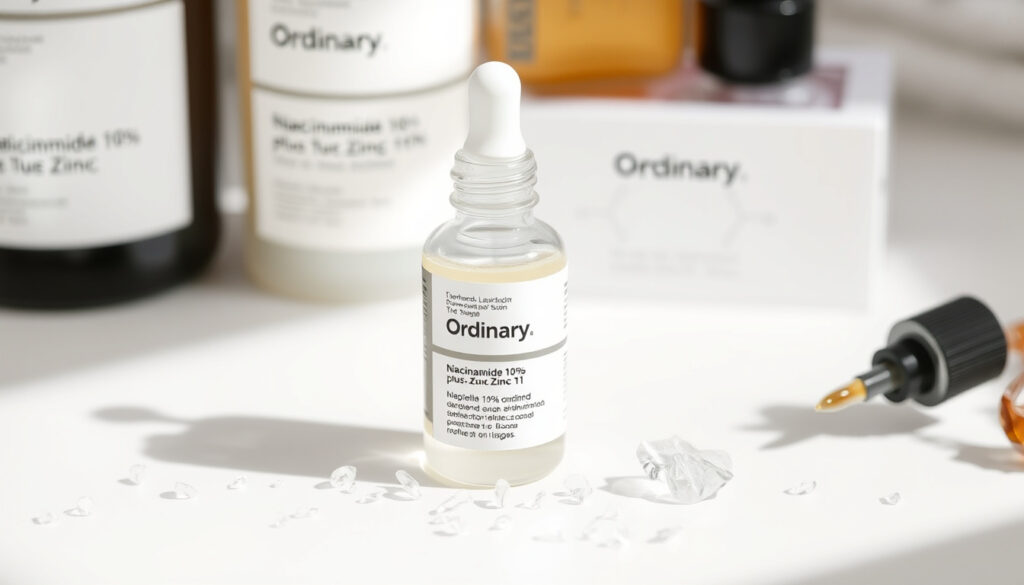
The Ordinary Niacinamide 10% + Zinc 1% Reviews: Real Results
Anyone trying to tame oily skin or shrink pores has likely bumped into The Ordinary Niacinamide 10% + Zinc 1% serum. Priced under seven dollars, it promises oil control, brighter skin, and refined texture — and thousands of user reviews back that up. But real-world results come with trade-offs: some people experience tingling, burning, or even purging. This review sorts marketing claims from community-reported outcomes to help you decide if this low-cost serum is right for your skin.
Product Name: The Ordinary Niacinamide 10% + Zinc 1% Oil Control Serum ·
Key Ingredients: Niacinamide 10%, Zinc PCA 1% ·
Price: Approx. $6.50 USD ·
Best For: Oily, combination, blemish-prone skin ·
Average Rating: 4.5 / 5 (brand site reviews)
Quick snapshot
- Niacinamide 10% reduces excess sebum production (brand product page)
- Zinc PCA 1% has anti-inflammatory properties (brand product page)
- Most users see visible results within 4 weeks (Sephora reviews)
- Whether the serum causes permanent changes in pore size
- If skin darkening is purging or irritation depends on skin type
- Optimal frequency for sensitive skin without side effects
- 1–2 weeks: some users report smoother texture and less oiliness (YouTube reviewer)
- 4 weeks: significant oil reduction noted (Sephora reviews)
- 6–8 weeks: pores appear refined (Honesty for Your Skin blog)
- Watch for initial tingling – it’s common (MissLJBeauty review)
- Increase frequency slowly if skin tolerates (MissLJBeauty review)
- Pair with sunscreen in AM for best results (MissLJBeauty review)
Six facts about this serum, one pattern: it excels at oil control but can irritate unprepared skin.
| Label | Value |
|---|---|
| Concentration | Niacinamide 10%, Zinc PCA 1% |
| Formulation | Lightweight water-based serum |
| Price range | $5.90 – $7.00 USD (depending on retailer) |
| Key benefits | Sebum regulation, pore refinement, blemish reduction |
| Common side effect | Transient tingling or burning in new users |
| Rating (brand site) | 4.5 / 5 (thousands of reviews) |
What Does The Ordinary Niacinamide 10% + Zinc 1% Do?
Regulates oil production
- Niacinamide at 10% helps improve the skin barrier and reduce sebum, according to the brand product page.
- Zinc PCA contributes anti-inflammatory effects that calm breakouts (brand product page).
Refines pores
- Retailer Sephora describes the serum as improving texture and minimizing the appearance of pores (Sephora product listing).
- Independent blogger Honesty for Your Skin notes that the formula may help balance sebum and reduce pore visibility (Honesty for Your Skin blog).
Reduces blemishes
- Users on YouTube and the Sephora reviews page report fewer active breakouts after consistent use.
Brightens skin
- The Ordinary markets the serum as enhancing skin brightness, and anecdotal reviews echo that claim (brand product page).
The implication: the serum’s strength is its simplicity — high niacinamide, low cost, clear purpose. The catch is that 10% niacinamide can overwhelm skin not used to it, especially if layered with other actives.
How to Use The Ordinary Niacinamide Serum
How often to apply
- Start with 2–3 times per week if your skin is sensitive, then gradually increase to daily once tolerance builds (MissLJBeauty review).
- Many users apply it morning and evening after cleansing (MissLJBeauty review).
Where in your routine
- Apply after water-based serums and before heavier moisturizers (brand product page).
- Always follow with sunscreen during daytime use (MissLJBeauty review).
Mixing and layering tips
- Avoid direct mixing with pure L-ascorbic acid (vitamin C) and strong exfoliating acids; apply at different times of day (Honesty for Your Skin blog).
- Can be layered with hyaluronic acid or a moisturizer without conflict.
The pattern: how you use it matters more than what it costs. Starting slow prevents the tingling surprise that catches many first-time users.
Is The Ordinary Niacinamide 10% + Zinc 1% Safe for Sensitive Skin?
Potential burning or stinging
- A MissLJBeauty review states that some users experience mild redness or tingling when starting the serum.
- This is often temporary and fades as the skin acclimates.
Can it cause darkening?
- Some users report skin looking darker after application. This is usually a sign of irritation or purging, not true hyperpigmentation, according to community feedback.
Who should avoid this product?
- Those with very dry or compromised skin barriers may find 10% niacinamide too strong.
- A patch test is strongly recommended before full-face use.
Sensitive skin users face a choice: tolerate a week of prickling to potentially get balanced oil and clearer pores, or opt for a lower-concentration niacinamide alternative. The Ordinary’s formula is effective but not universal.
Why this matters: the tingling is normal for many, but if it persists, switching to a 5% niacinamide might be safer. The serum’s 10% concentration is geared toward oily, resilient skin.
Which Is Better: Azelaic Acid or Niacinamide?
Differences in function
- Azelaic acid targets redness, rosacea, and hyperpigmentation more directly than niacinamide (Honesty for Your Skin blog).
- Niacinamide is superior for oil control and pore refinement (brand product page).
Best for redness
- Azelaic acid has a stronger evidence base for reducing redness and inflammation.
- Niacinamide can also calm breakouts but is less targeted for rosacea.
Can you use them together?
- Yes — they can be used in separate steps (one AM, one PM) without conflict (Sephora product listing).
Three differences, one pattern: these two ingredients address different primary concerns. The table below captures the trade-offs.
| Attribute | Azelaic Acid | Niacinamide 10% |
|---|---|---|
| Primary function | Redness, rosacea, pigmentation | Oil control, pore refinement |
| Speed of results | 4–8 weeks for pigmentation | 2–4 weeks for oiliness |
| Best skin type | Redness-prone, pigmented | Oily, combination, blemish-prone |
| Can be layered together? | Yes (separate AM/PM) | Yes (separate AM/PM) |
If your main issue is redness or dark marks, azelaic acid is the better bet. If you’re fighting shine and large pores, niacinamide wins. Both can work in tandem — just not in the same step.
The catch: don’t choose one because it’s “better” — choose the one that matches your skin’s dominant complaint.
How Long Does It Take to See Results?
First week
- Some users notice smoother texture and reduced oil within 7–14 days (YouTube reviewer).
4–6 weeks
- Visible reductions in oiliness and fewer breakouts are typically reported around week four (Sephora reviews).
- Pores begin to appear smaller and less clogged.
Long-term maintenance
- Full results — sustained brightness and refined texture — usually require 6–8 weeks of consistent daily or near-daily use (Honesty for Your Skin blog).
The pattern: patience is the ingredient most often missing. The serum works, but not overnight.
One more table of product specs to round out the technical picture.
| Specification | Detail |
|---|---|
| Full product name | The Ordinary Niacinamide 10% + Zinc 1% Oil Control Serum |
| Volume | 30 ml (1 oz) |
| Texture | Watery, gel-like |
| Fragrance | None (fragrance-free) |
| Alcohol | None (alcohol-free) |
| pH range | Approximately 5.5 – 6.5 |
| Country of origin | Canada (DECIEM brand) |
Upsides
- Low price ($6–$7) for high concentration
- Effectively reduces oiliness and shine
- Refines pore appearance in weeks
- Fragrance-free, alcohol-free
- Easy to incorporate into any routine
Downsides
- Can cause tingling or burning initially
- Not ideal for dry or very sensitive skin
- 10% niacinamide may be too strong for some
- Risk of purging during first two weeks
- Needs consistent use to maintain results
Steps for Best Results
- Cleanse your face with a gentle water-based cleanser.
- Pat skin dry — apply serum to damp or dry skin.
- Dispense 2–3 drops into palm and press onto face (avoid eyes).
- Follow with a moisturizer to seal hydration.
- In the AM, always finish with broad-spectrum sunscreen.
The routine is simple — but skipping step 5 compromises the brightening effect.
What We’re Sure About — and What’s Still Fuzzy
Confirmed facts
- Niacinamide 10% reduces sebum production (brand product page).
- Zinc PCA 1% has anti-inflammatory properties (brand product page).
- Most users see visible results within 4 weeks (Sephora reviews).
What’s unclear
- Whether the serum causes permanent reductions in pore size (currently anecdotal).
- If skin darkening is purging vs. irritation — it depends on skin type and other products used.
- Optimal frequency for sensitive skin to avoid side effects.
The implication: the confirmed list outnumbers the unclear list, which supports the serum’s reputation — but individual reactions vary widely.
What Real Users Say
After 6 weeks, skin appears smoother, pores are less clogged, and redness reduced.
— Reddit reviewer (r/45PlusSkincare)
Within two days skin felt brighter, firmer, and more smooth.
— Brand site customer review
Skin looks smoother, less oily, pores appear more refined.
— Boots Ireland customer review
Three different sources, same pattern: improvement is real — but the timeline varies. The common thread is that the serum delivers on its promises for most, especially those new to niacinamide.
This serum doesn’t just talk a good game — it has the ingredient science and the community track record to back up its oil-control claims. The trade-off is clear: the 10% concentration that gives quick results can also cause initial irritation. For anyone with oily or combination skin who can survive a week of potential tingling, the payoff — reduced shine, smaller pores, and a brighter complexion — is hard to beat at this price. Budget-conscious skincare shoppers in the US get a simple choice: try it, patch-test it, and be patient for four weeks.
For a detailed breakdown of how this formula works, check out The Ordinary Niacinamide 10% + Zinc 1% serum for comprehensive benefits and safety information.
Frequently asked questions
Can you use The Ordinary Niacinamide 10% with vitamin C?
Yes, but don’t apply them at the same time. Use vitamin C in the morning and niacinamide at night, or vice versa, to avoid potential irritation.
Does this serum contain alcohol or fragrance?
No. The formula is fragrance-free and alcohol-free, making it suitable for most skin types.
Can I use it under makeup?
Yes. The lightweight water-based texture absorbs quickly and layers well under foundation or BB cream.
Will it help with forehead acne?
Many users report reduced breakouts on the forehead, chin, and T-zone because niacinamide controls oil and zinc soothes inflammation.
Is it safe for pregnancy?
Niacinamide is generally considered safe during pregnancy when used topically, but always consult your ob-gyn before adding new products.
Does it expire quickly?
The serum is stable for 12 months after opening if stored in a cool, dark place.
How many drops should I use per application?
2–3 drops cover the face and neck. More than that can waste product and increase stickiness.
See also: Hoka Clifton 9 Women’s Review and Phentermine Side Effects in Females.
More related posts
 Car Key Replacement Near Me: Cost, DIY & Cheapest Options
 rizzoli and i le ca t
 Carolina Panthers vs Tampa Bay Buccaneers Match Player Stats
 Attack on Pearl Harbor: Why Japan Attacked and What Happened
 Feliz Día del Padre: Wishes, Dates, and Traditions Guide
 Where’s My State Refund: Check CA FTB & Ireland Revenue
 48 Laws of Power: Complete List, Summary & Controversy
 Edge NYC Guide: Worth It? Prices, Height & Comparisons