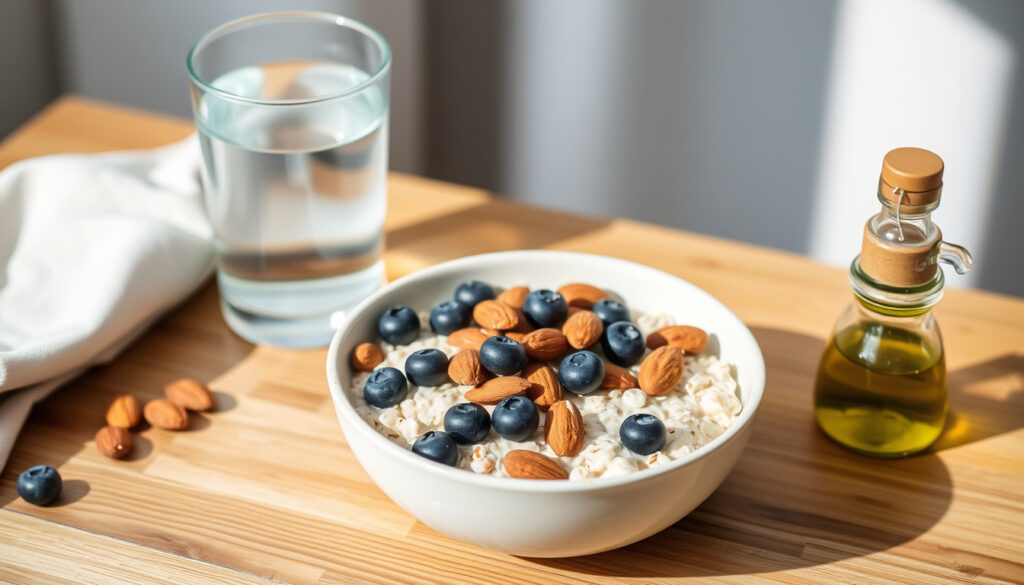
How to Lower LDL Naturally: Quick Diet & Lifestyle Changes
Few health numbers trip people up quite like an LDL cholesterol reading that’s higher than expected. The good news is that your daily choices—from what lands on your plate to how often you move—have a direct, measurable impact on that number.
Vegetable intake recommendation: Fill ½ plate with non-starchy vegetables · Alcohol limit: Less than 14 units per week · Exercise frequency: At least 30 minutes on most days · Smoking cessation: Quit smoking to lower LDL
Quick snapshot
- Saturated fat raises LDL more than dietary cholesterol (Dartmouth Health research)
- Impact of egg consumption varies by individual genetics (Dartmouth Health review)
- Lifestyle changes can lower LDL significantly within 30 days (MedlinePlus, U.S. National Library of Medicine)
- Check LDL levels after 1 month; if still high, consult a doctor about medication (Harvard Health Publishing)
Three key facts, one pattern: LDL management boils down to cutting the right fats, adding fiber, and moving more—not obsessing over dietary cholesterol.
| Fact | Details |
|---|---|
| What is LDL cholesterol? | Low-density lipoprotein, often called ‘bad’ cholesterol. |
| Optimal LDL level | Less than 100 mg/dL for most adults (MedlinePlus, U.S. National Library of Medicine) |
| Key dietary culprit | Saturated fat raises LDL more than dietary cholesterol (Dartmouth Health research) |
| Daily saturated fat limit | Less than 7% of total calories (MedlinePlus guidance) |
| Recommended exercise | 150 to 300 minutes per week (National Lipid Association) |
| Egg yolk limit per week | 2 to 3 per week for those with high LDL (National Lipid Association) |
| Soluble fiber target | 10 to 25 grams daily (MedlinePlus recommendation) |
| Omega-3 benefit | Can lower LDL and triglyceride levels (MedlinePlus) |
How do I lower my LDL quickly?
The fastest route to lower LDL isn’t a single miracle food—it’s a combination of cutting saturated fat and adding soluble fiber that can shift your numbers within days.
How to reduce cholesterol in 7 days?
- Eliminate high-saturated-fat foods: red meat, full-fat dairy, butter, palm oil, and coconut oil (Dartmouth Health, clinical advice)
- Switch to oats, beans, and apples for soluble fiber; increase fruits/vegetables (MedlinePlus, U.S. National Library of Medicine)
- Start walking 30 minutes daily (Baylor Scott & White Health, cardiology team)
How to reduce cholesterol in 30 days?
- Maintain diet changes for 30 days: aim for 10-25g soluble fiber daily (MedlinePlus target)
- Incorporate 150 minutes of exercise per week—mix cardio and resistance training (National Lipid Association)
- Limit alcohol to less than 14 units per week (NHS guidance via Dartmouth Health)
- Check LDL levels at 1 month; if still elevated, consult a doctor about statins (Harvard Health Publishing)
What reduces cholesterol quickly naturally?
- Cutting saturated fat and increasing soluble fiber produce the fastest changes (Harvard Health)
- Adding plant stanols and sterols (2 grams/day) can help block cholesterol absorption (MedlinePlus recommendation)
- Exercise increases HDL while helping lower LDL, especially aerobic workouts (Baylor Scott & White Health)
The pattern: The first 7 days are about elimination—cut the saturated fat and trans fat. The next 30 days build on that foundation with consistent exercise and fiber. The implication: you’ll likely see a measurable drop within a month, but only if you stick with both diet and activity changes.
What foods make LDL go down?
Many “heart-healthy” packaged foods still contain hidden saturated fats or added sugars that can undermine your progress, even when labeled “low cholesterol.”
What to eat to reduce cholesterol?
- Fill half your plate with non-starchy vegetables (broccoli, spinach, carrots) (National Lipid Association)
- Include healthy fats like olive oil, avocados, nuts, and seeds (Dartmouth Health, Mediterranean diet guidance)
- Eat fatty fish (salmon, mackerel) twice a week for omega-3s (MedlinePlus)
- Choose whole grains (oats, barley, quinoa) over refined grains (National Lipid Association)
How to lower LDL cholesterol naturally?
- Adopt a Mediterranean-style diet rich in plant-based foods and unsaturated fats (Dartmouth Health)
- Get 10-25 grams of soluble fiber daily from oats, beans, apples, and barley (MedlinePlus)
- Aim for at least 150 minutes of moderate exercise per week (American Heart Association via Dartmouth Health)
Why this matters: Focusing on what you add—like fiber, omega-3s, and plant sterols—can be more sustainable than just cutting foods. The trade-off is that simply adding “good” foods without reducing saturated fat won’t move LDL enough for most people.
What not to eat when LDL is high?
- Limit red meat, processed meats, and full-fat dairy—all high in saturated fat (Dartmouth Health warning)
- Avoid trans fats found in fried foods, baked goods, and processed snacks (Harvard Health)
- Cut down on alcohol—max 14 units per week (NHS via Dartmouth Health)
- Avoid refined sugars and grains, which can raise triglycerides (Harvard Health)
- Limit cholesterol intake to less than 200 mg per day for those actively lowering LDL (MedlinePlus)
The pattern: Cutting these foods is the highest-leverage move for lowering LDL quickly.
What is the best drink to lower LDL?
- Green tea may help lower LDL, though evidence is modest (Dartmouth Health)
- Moderate red wine consumption is not recommended as a strategy to start (no strong evidence) (Dartmouth Health)
- Water remains the best unsweetened beverage choice
- Avoid sugary drinks and fruit juices with added sugar
The pattern: No single drink lowers LDL dramatically, but replacing sugary beverages with water or unsweetened tea removes empty calories and added sugar that can raise triglycerides.
Can LDL go back to normal?
For the majority of people with high LDL, lifestyle changes are powerful enough to bring levels back to normal—but the longer you wait to start, the harder it becomes to avoid medication.
Is 2 eggs a day too much cholesterol?
- Newer research suggests eggs in moderation do not negatively affect cholesterol for most people (Dartmouth Health)
- The National Lipid Association advises limiting egg yolks to 2-3 per week for those with high LDL (National Lipid Association)
- Dietary cholesterol has less impact on blood cholesterol than saturated fat for most people (MedlinePlus)
Should I avoid eggs if I have high LDL?
- It depends on your individual response—some people are “hyper-responders” to dietary cholesterol (Dartmouth Health)
- If you have high LDL, 2-3 egg yolks per week is a cautious limit (National Lipid Association)
- Egg whites are safe—the yolk contains all the cholesterol (MedlinePlus)
What supplements lower cholesterol?
- Plant stanols and sterols (2 grams/day) can block cholesterol absorption (MedlinePlus)
- Omega-3 fatty acids (from fish oil or flaxseed) can lower LDL and triglycerides (MedlinePlus)
- Red yeast rice has mixed evidence—some products contain statin-like compounds but are not regulated (Harvard Health)
- Soluble fiber supplements (psyllium) can help reach the 10-25g daily target (MedlinePlus)
The trade-off: Lifestyle changes can indeed lower LDL back to normal for many, but genetics also play a role. For those with familial hypercholesterolemia or very high baseline levels, medication may be necessary regardless of diet. The catch with supplements is that they are not a substitute for diet and exercise—they work best when layered on top of a healthy lifestyle.
Timeline: Your 30-day LDL-lowering plan
Eliminate high-saturated-fat foods; start switching to whole grains. (MedlinePlus)
Add oats, beans, and apples for soluble fiber; increase fruits/vegetables. (Dartmouth Health)
Incorporate 30 min daily exercise; continue diet changes; reduce alcohol. (National Lipid Association)
Check LDL levels; adjust lifestyle if needed; consider medication consult. (Harvard Health)
The implication: This plan is not theoretical—it’s backed by the National Lipid Association and MedlinePlus. The first week is about elimination, weeks 2-4 about addition and consistency. If your LDL hasn’t dropped by month’s end, it’s time for a doctor’s appointment.
Clarity: What’s confirmed vs. what’s unclear
Confirmed facts
- Saturated fat raises LDL more than dietary cholesterol (Dartmouth Health)
- Soluble fiber helps lower LDL absorption (MedlinePlus)
- Regular exercise improves cholesterol profile (Baylor Scott & White Health)
What’s unclear
- Impact of egg consumption varies by individual genetics (Dartmouth Health)
- Effectiveness of specific supplements (e.g., red yeast rice) lacks robust evidence (Harvard Health)
The clarity: Confirmed facts outnumber unclear areas, giving you a confident starting point.
“Eat heart-healthy foods. Exercise most days. These are the foundation of cholesterol management, and they work.”
— Mayo Clinic cardiology team (via Dartmouth Health review)
“Fill half your plate with colorful non-starchy vegetables. This simple visual cue can transform your meals.”
— National Lipid Association (Lifestyle tips PDF)
“A Mediterranean diet focused on plant-based foods and healthy fats can help lower cholesterol without feeling restrictive.”
— Dartmouth Health (Clinical nutrition team)
For someone staring at a high LDL test result, the path forward is clearer than popular diet myths suggest. The evidence converges on three actions: cut saturated fat, add soluble fiber, and move your body. The confusion around eggs is real, but for most people, the number of yolks per week matters far less than the amount of butter and red meat on your plate. For readers in the U.S. and U.K. alike, the choice is straightforward: you can start today with a walk and a bowl of oatmeal, or wait for the next blood test. The numbers will tell you which path you chose.
One effective approach to lowering LDL involves lowering cholesterol through diet and exercise to help reduce saturated fat intake and increase soluble fiber.
Frequently asked questions
What is a healthy LDL cholesterol level?
An LDL level of less than 100 mg/dL is considered optimal for most adults (MedlinePlus, U.S. National Library of Medicine).
How often should I get my cholesterol checked?
The American Heart Association recommends adults aged 20 or older have their cholesterol checked every 4 to 6 years, or more often if they have risk factors (Dartmouth Health).
Can weight loss alone lower LDL?
Yes, losing even 5-10% of body weight can help lower LDL, especially when combined with dietary changes and exercise (National Lipid Association).
Are statins the only medication option?
No. Other options include ezetimibe, PCSK9 inhibitors, and bile acid sequestrants. Your doctor will decide based on your specific needs (Harvard Health).
What is the role of soluble fiber in lowering cholesterol?
Soluble fiber binds to cholesterol in the digestive tract and prevents its absorption. Aim for 10 to 25 grams per day from oats, beans, apples, and barley (MedlinePlus).
Can stress increase LDL levels?
Chronic stress may raise cortisol levels, which can increase LDL and triglyceride levels, though the relationship is indirect and varies by individual (Dartmouth Health).
Does red wine actually help lower LDL?
Moderate red wine consumption has antioxidants that may offer heart benefits, but doctors do not recommend starting to drink alcohol specifically for cholesterol lowering (Dartmouth Health).
Related reading: What Is an EKG? Understanding This Common Heart Test · How Many Calories Should I Burn a Day? Guide & Calculator
More related posts
 How Many Calories Should I Burn a Day? Guide & Calculator
 2025 Honda Civic Type R: Price, Specs & Performance
 TSA Banned Costco Cards – Facts, Myths and Rules
 Pictures of Inflammatory Breast Cancer in Early Stages
 Isabel May Movies and TV Shows: Career Guide
 Expeditions A MudRunner Game – Release Date Platforms Features
 Six Flags Magic Mountain: X2 and Scariest Rides Guide
 What Is Memorial Day? Meaning, History, and Traditions