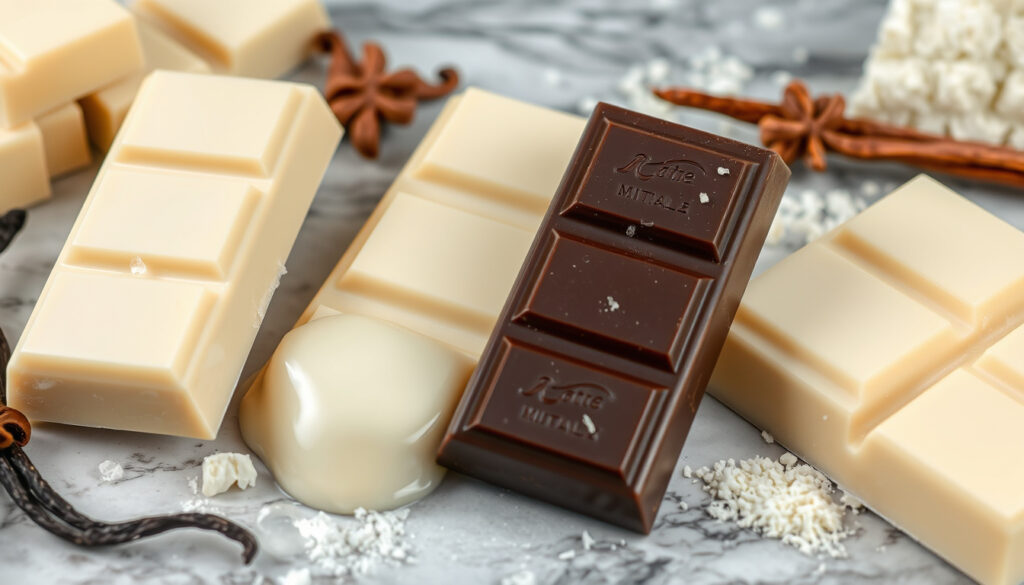
What Is White Chocolate – Ingredients, Differences and History
White chocolate is a confection that provokes debate among chocolate enthusiasts and casual consumers alike. While it carries the “chocolate” name and is produced from cocoa beans, it lacks one critical component found in every other chocolate variety. This distinction has fueled ongoing discussions about whether it deserves the classification. Understanding what sets white chocolate apart requires examining its ingredients, production methods, and the regulatory standards that define it.
The confection consists primarily of cocoa butter—the fat extracted from cocoa beans—combined with sugar, milk solids, and various additives. Unlike dark and milk chocolate, which contain cocoa solids, white chocolate remains ivory-colored and presents a distinctly sweet, creamy profile. Those curious about specific applications might find useful information in our guide on baked potatoes in oven recipes that incorporate this versatile ingredient.
What Is White Chocolate Made Of?
The composition of white chocolate distinguishes it from other chocolate varieties in fundamental ways. Each ingredient contributes specific characteristics that define the final product’s texture, flavor, and quality.
Key Ingredients Breakdown
According to FDA regulations, genuine white chocolate must contain at least 20% cocoa butter, 14% total milk solids with a minimum of 3.5% milkfat, and no more than 55% nutritive carbohydrate sweeteners. Products failing to meet these thresholds cannot legally bear the “white chocolate” label in the United States.
The primary components include cocoa butter, which forms the structural foundation and provides that characteristic melt-in-your-mouth sensation. Sugar typically constitutes 45-55% of the total composition, delivering the sweetness that defines this confection. Milk solids add creaminess and a dairy dimension, while emulsifiers like soy lecithin ensure proper texture and prevent separation. Vanilla and other natural flavorings round out the profile in many formulations. Cocoa butter itself is extracted through a process of roasting and pressing cocoa beans, as detailed in resources from the Cocoa Research Association.
Legal Standards (FDA Definition)
The Food and Drug Administration established formal standards for white chocolate in 2004, requiring products to meet specific nutritional thresholds before using the designation. These regulations prohibit artificial colors or imitation flavorings, mandating that manufacturers combine cocoa butter with specified dairy ingredients. The standards exist to protect consumers from products that might otherwise claim the white chocolate identity without meeting meaningful quality criteria. For official guidance on food labeling requirements, consult the FDA’s official documentation.
Is White Chocolate Actually Real Chocolate?
This question generates considerable debate among confectionery enthusiasts and industry professionals. The answer depends largely on which definition of “chocolate” one accepts and what qualities one considers essential.
Why It Lacks Cocoa Solids
The critical distinction lies in the absence of cocoa solids. During chocolate production, cocoa beans split naturally into roughly equal portions of butter and solids. While dark and milk chocolate incorporate both elements, white chocolate uses only the extracted butter. The solids carry the compounds responsible for chocolate’s signature bitter notes and brown coloring. Without them, the result is pale, sweet, and fundamentally different from traditional chocolate. The science behind cocoa bean processing is explored extensively by the International Cocoa Organization.
Regulatory Perspectives
Regulatory bodies have taken varied approaches to this classification challenge. The FDA requires at least 10% cocoa mass for products labeled simply “chocolate,” a threshold white chocolate fails to meet in terms of solids. However, the agency established separate standards acknowledging white chocolate as a distinct category. Some purists argue that without cocoa solids, the product cannot legitimately carry the chocolate name, while others accept it as one variety among many in the broader chocolate family.
Multiple confectionery experts and sources note that white chocolate excludes cocoa solids, which provide the color and intense flavor characteristic of other chocolates. This structural difference explains why many classify it separately from “real” chocolate, though it remains legally recognized as a chocolate product in most markets.
How Does White Chocolate Differ from Milk and Dark Chocolate?
Comparing white chocolate against its counterparts reveals substantial variations in composition, flavor, and culinary applications. Understanding these differences helps consumers make informed choices and chefs select appropriate varieties for specific purposes.
Ingredient Comparison Table
| Aspect | White Chocolate | Milk Chocolate | Dark Chocolate |
|---|---|---|---|
| Cocoa Butter | Yes (minimum 20%) | Yes | Yes |
| Cocoa Solids | No | Yes | Yes (high percentage) |
| Milk Content | Minimum 14% total | Yes | Typically none |
| Typical Color | Ivory to off-white | Light brown | Dark brown |
| Sweetness Level | High | Medium | Low to bitter |
Taste and Texture Differences
White chocolate presents a buttery, creamy character with pronounced sweetness and subtle vanilla notes. The absence of cocoa solids means no bitter undertones or complex chocolate intensity. Texture tends toward smoothness and gentle melting, making it popular for coatings and ganishes. Milk chocolate balances sweetness with more pronounced chocolate flavor, while dark varieties deliver intense, sometimes astringent notes with reduced sugar and no dairy components.
What Is the History and Production Process of White Chocolate?
White chocolate emerged as an accidental by-product of chocolate manufacturing rather than through deliberate invention. Its evolution reflects broader developments in cocoa processing and confectionery technology. Historical accounts of chocolate processing can be found through the World Cocoa Foundation.
Origin Timeline
- Early cocoa processing: Chocolate manufacturers discovered they could separate cocoa beans into distinct components—fat and solids—through pressing operations.
- Butter utilization: The extracted cocoa butter found applications beyond immediate chocolate production, leading manufacturers to explore standalone uses.
- Nestlé development: The company pioneered commercial white chocolate production, refining techniques for handling cocoa butter in isolation.
- Regulatory formalization: The U.S. established official standards for white chocolate in 2004, providing legal clarity about permissible formulations.
- Modern innovations: Contemporary manufacturers now offer vegan varieties using plant-based substitutes like coconut milk and nut butters, expanding beyond traditional dairy-based recipes.
Manufacturing Steps
Production begins with roasting cocoa beans at controlled temperatures to develop flavor compounds. The roasted beans then undergo cracking and winnowing to remove shells, leaving nibs that are pressed to extract cocoa butter. This separated butter becomes the foundation for white chocolate production.
Manufacturers combine refined cocoa butter with sugar, milk powder or condensed milk, emulsifiers, and flavorings. The mixture requires precise heating and stirring to achieve uniformity. During conching—a process inspired by traditional chocolate production—ingredients are heated, stirred, and aerated for extended periods. This step refines texture, eliminates gritty particles, and develops the smooth, velvety mouthfeel consumers expect. Those interested in other baking applications might explore how different ingredients behave in our resource about dosage and side effects information for pharmaceutical topics.
Premium white chocolate products typically contain higher proportions of cocoa butter relative to sugar and use superior milk sources such as grass-fed dairy. Lower-quality alternatives may substitute cheaper vegetable fats or pack products with excessive sugar and fillers, resulting in a whiter appearance rather than the natural ivory hue of pure cocoa butter.
What Facts About White Chocolate Are Clear and Uncertain?
| Established Information | Uncertain or Debated Areas |
|---|---|
| Contains cocoa butter, sugar, and milk solids | Health benefits compared to other chocolates |
| Lacks cocoa solids entirely | Whether it qualifies as “real” chocolate |
| Color derives from cocoa butter rather than solids | Optimal tempering techniques for home use |
| FDA specifies minimum ingredient thresholds | Global regulatory consistency across markets |
How Does White Chocolate Fit Into Broader Culinary Culture?
White chocolate occupies a unique niche in confectionery culture. Its sweetness appeals to those who find dark chocolate too intense, while its creamy texture makes it versatile for both sweet and savory applications. Chefs prize it for ganache, mousse, and dessert sauces, while confectioners use it extensively for coating truffles and creating decorative elements. Techniques and recipes are frequently published by culinary institutions like the Pastry Arts Foundation.
The ingredient’s stability when melted and relative resistance to bloom (the whitish discoloration that affects chocolate storage) makes it practical for professional kitchens. Home bakers appreciate its forgiving nature compared to temperamental dark varieties. More details on proper chocolate storage methods are available through food science publications.
What Do Sources and Experts Say About White Chocolate?
“White chocolate consists primarily of cocoa butter (the fat from cocoa beans), sugar, milk solids, and often emulsifiers like soy lecithin and flavorings such as vanilla.”
— Multiple confectionery and regulatory sources including the FDA
Industry publications consistently note that white chocolate originated as a byproduct of cocoa processing, with no single inventor or specific date marking its creation. The confection evolved alongside improvements in chocolate manufacturing technology, eventually gaining recognition as a distinct product category.
Summary
White chocolate represents a unique confection defined by the presence of cocoa butter combined with sugar and milk solids, but notably lacking cocoa solids found in other chocolate varieties. Regulatory bodies including the FDA have established clear standards defining acceptable formulations, requiring minimum thresholds of cocoa butter and dairy content. Whether one considers it “real” chocolate depends on which characteristics one deems essential—the debate continues, but its market presence remains substantial and growing.
Frequently Asked Questions
Is white chocolate healthier than dark chocolate?
White chocolate typically contains more sugar and similar fat content to milk chocolate, making it less advantageous than dark varieties from a health perspective. However, some premium formulations using higher-quality ingredients may offer marginal benefits.
Why is white chocolate white instead of brown?
The ivory color results from using only cocoa butter—the fat component of cocoa beans—while excluding the darker cocoa solids that provide coloring in other chocolate varieties.
Does white chocolate contain any caffeine?
White chocolate contains minimal to no caffeine since caffeine compounds exist primarily in cocoa solids, which are absent from white chocolate formulations.
Can you temper white chocolate?
White chocolate can be tempered using methods similar to those for dark chocolate, though the higher sugar and milk content affects the crystallization process and requires adjusted temperature ranges.
How should white chocolate be stored?
Store white chocolate in a cool, dry place between 15-20°C, away from strong odors. The dairy content makes it more susceptible to moisture absorption and flavor absorption than dark chocolate varieties.
Is white chocolate safe for people with dairy allergies?
Traditional white chocolate contains milk solids and is not suitable for those with dairy allergies. However, vegan alternatives using plant-based ingredients provide options for consumers avoiding dairy products.
What is the difference between white chocolate and white confectionery coating?
White confectionery coating often substitutes cocoa butter with cheaper vegetable oils and may lack the dairy components required for authentic white chocolate. These products may taste similar but differ in quality and regulatory compliance.
More related posts
 100,000 Yen to USD: Current Rate and Purchasing Power
 Is Cucumber a Fruit? Botanical vs Culinary Classification
 Rachel Campos-Duffy: Children, Husband, Ethnicity, and More
 A Million Little Things: Cancellation, Streaming & Cast
 Car Key Replacement Near Me: Cost, DIY & Cheapest Options
 Cancel Paramount Plus: Quick Step-by-Step Guide
 Baked Potatoes in Oven – Crispy Skin and Fluffy Inside
 What Is a Nepo Baby? Definition, Richest, and Controversy