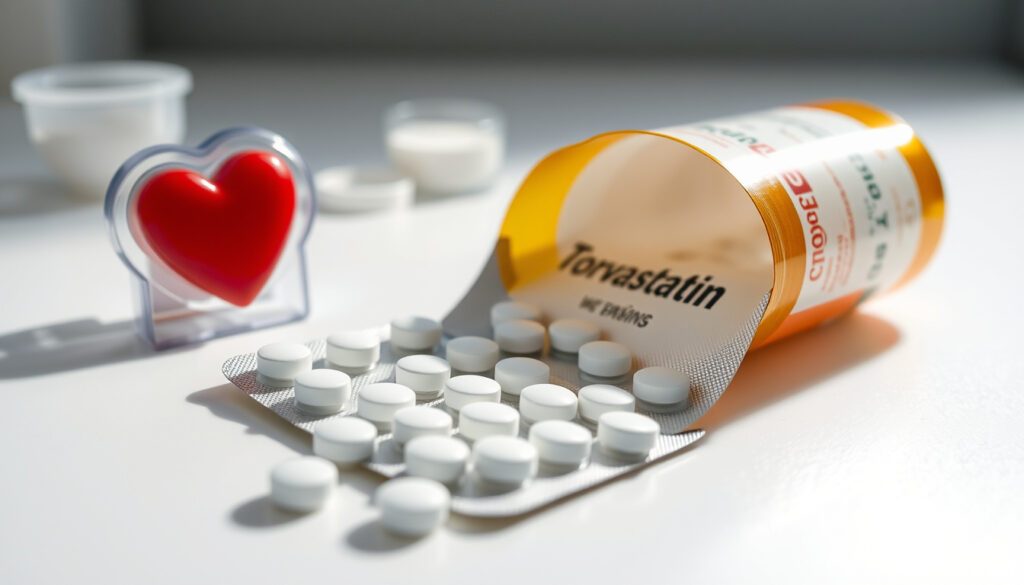
What Is Atorvastatin Used For – Dosage, Side Effects and More
Atorvastatin, marketed under the brand name Lipitor, stands as one of the most widely prescribed statin medications worldwide. Healthcare providers commonly prescribe this drug to help patients manage unhealthy cholesterol levels and reduce their risk of serious cardiovascular events. Understanding what atorvastatin is used for can help patients make informed decisions about their cholesterol management strategy when working alongside their medical team.
Originally developed by Warner-Lambert and now available in generic form, atorvastatin belongs to a class of drugs called HMG-CoA reductase inhibitors. These medications work by targeting the liver’s cholesterol production process, which plays a central role in determining the amount of harmful lipids circulating in the bloodstream. The drug received approval from the Food and Drug Administration in 1996, making it a relatively recent addition to cardiovascular medicine compared to some other treatment options.
This article examines the approved uses, dosing guidelines, potential side effects, and important precautions associated with atorvastatin. The information presented draws from FDA labeling documentation, peer-reviewed medical literature, and guidance from recognized healthcare organizations. Patients should always consult their prescribing physician for personalized medical advice tailored to their individual health circumstances.
What is atorvastatin used for?
Atorvastatin serves multiple therapeutic purposes related to lipid management and cardiovascular disease prevention. Healthcare professionals primarily prescribe this medication to lower elevated levels of low-density lipoprotein cholesterol, commonly referred to as LDL or “bad” cholesterol. Reducing LDL cholesterol represents a cornerstone strategy for decreasing the likelihood of heart attacks, strokes, and other complications associated with atherosclerosis.
Overview of key facts
Lowers LDL cholesterol levels
Lipitor
Statin (HMG-CoA reductase inhibitor)
1996
Key insights about atorvastatin
- Reduces heart attack risk by approximately 30-40% in appropriate patients
- Works most effectively when combined with a heart-healthy diet and regular exercise
- Requires regular monitoring of liver function through blood tests
- Available in multiple strengths ranging from 10mg to 80mg
- Generic versions became available following patent expiration around 2011
- Approved for use in children aged 10 years and older with certain inherited lipid disorders
- American Heart Association and ACC guidelines recommend statins like atorvastatin as first-line therapy for eligible patients
Snapshot facts about atorvastatin
| Fact | Details |
|---|---|
| Generic Name | Atorvastatin calcium |
| Available Strengths | 10mg, 20mg, 40mg, 80mg |
| Elimination Half-life | 14 hours (activity lasting 20-30 hours) |
| Common Brand Name | Lipitor |
| Administration | Oral tablet, once daily |
| Food Requirements | Can be taken with or without food |
| Typical Starting Dose | Individualized based on patient profile |
| Maximum Daily Dose | 80mg |
How does atorvastatin work and what is the typical dosage?
Atorvastatin operates by inhibiting an enzyme in the liver called HMG-CoA reductase, which plays a pivotal role in cholesterol synthesis. By blocking this enzyme, the medication reduces the liver’s production of cholesterol, prompting cells to pull LDL particles from the bloodstream. This process results in lower circulating LDL cholesterol levels and often leads to decreased triglyceride concentrations while modestly raising high-density lipoprotein, or HDL, the “good” cholesterol.
The drug’s mechanism makes it particularly effective because it addresses the root cause of elevated cholesterol in many patients rather than simply managing symptoms. Clinical studies have demonstrated that atorvastatin begins reducing lipid levels within approximately two weeks of initiating therapy, with maximum effects typically observed within four to six weeks of consistent use.
Understanding the dosing approach
Healthcare providers determine the appropriate starting dose based on several individual factors, including the patient’s baseline lipid levels, overall cardiovascular risk, and potential for drug interactions. The medication is available in four tablet strengths: 10mg, 20mg, 40mg, and 80mg. For most adults beginning treatment, physicians may start at 10mg or 20mg daily and adjust upward based on response to therapy and tolerability.
After initiating therapy or making dose changes, doctors typically order follow-up lipid panels within two to four weeks. This monitoring helps confirm whether the medication is producing the desired effect and whether further adjustments are necessary. The maximum approved daily dose of 80mg may be appropriate for patients with severely elevated cholesterol or those with established cardiovascular disease who require more aggressive lipid lowering.
Unlike some other statins that must be taken in the evening due to the liver’s increased cholesterol production during nighttime hours, atorvastatin’s prolonged 14-hour half-life allows for convenient dosing at any time of day. Taking the medication at the same time each day helps maintain consistent blood levels and supports better adherence to the treatment regimen.
Special considerations for pediatric patients
Atorvastatin holds approval for use in children and adolescents aged 10 years and older who have been diagnosed with homozygous familial hypercholesterolemia, a genetic condition causing severely elevated cholesterol from birth. For these younger patients, the starting dose typically ranges from 10mg to 20mg daily, with the total daily dose generally not exceeding 80mg. Treatment in pediatric populations requires careful monitoring by specialists experienced in managing lipid disorders in children.
What are the side effects of atorvastatin?
Like all medications, atorvastatin can produce unwanted effects in some patients, though many individuals tolerate the drug well. Understanding potential adverse reactions helps patients recognize when to seek medical attention and enables informed discussions with healthcare providers about treatment options.
Common adverse effects
Muscle-related symptoms represent the most frequently reported concerns with statin therapy, including atorvastatin. These range from mild myalgia, characterized by muscle aches or weakness, to more serious conditions such as myopathy and, rarely, rhabdomyolysis. Patient reports indicate that muscle symptoms often resolve after discontinuing the medication, though any new muscle pain or weakness warrants prompt medical evaluation.
Some patients may also experience elevated liver enzymes detected through routine blood testing. While this finding often resolves with continued monitoring or dose adjustment, persistent elevation may necessitate changing the treatment approach. Healthcare providers routinely check liver function through blood tests before initiating therapy and periodically thereafter.
Seek medical attention immediately if you experience unexplained muscle pain, tenderness, or weakness, particularly if accompanied by fever or dark-colored urine. These symptoms could indicate serious muscle damage requiring urgent intervention. Additionally, report any signs of liver problems such as yellowing of the skin or eyes, abdominal pain, or unusual fatigue.
Rare but serious complications
In very rare cases, statins have been associated with memory problems or confusion, and some studies suggest a possible small increase in blood sugar levels that could raise the risk of developing type 2 diabetes, particularly in patients already at risk for that condition. Post-marketing surveillance has also documented reports of interstitial lung disease, a serious condition affecting lung tissue, though this appears extremely uncommon.
The FDA has required labeling updates to inform healthcare professionals and patients about these potential risks. However, regulatory agencies worldwide continue to emphasize that the cardiovascular benefits of statin therapy generally outweigh these uncommon risks for most patients when used as prescribed. The decision to continue treatment should consider the individual patient’s risk profile and the severity of any adverse effects experienced.
When and how should you take atorvastatin?
Atorvastatin comes in tablet form for oral administration and is typically prescribed as a once-daily medication. The tablet should be swallowed whole with water and can be taken at any time of day, with or without food. This flexibility distinguishes atorvastatin from certain other statins that must be taken in the evening or at bedtime to achieve optimal effectiveness.
Establishing a consistent routine
Healthcare professionals generally recommend taking atorvastatin at the same time each day to establish a reliable routine that supports medication adherence. Whether patients prefer morning, afternoon, or evening dosing, consistency helps maintain stable drug levels in the bloodstream and reduces the likelihood of missed doses. Setting a daily reminder through phone alarms or associating pill-taking with another regular activity can help reinforce this habit.
If a dose is accidentally skipped, patients should skip that day’s tablet entirely and resume their normal schedule the following day rather than attempting to “make up” the missed dose by taking two tablets. Doubling up on doses can increase the risk of side effects without providing additional benefit.
Monitoring requirements
Effective management of cholesterol with atorvastatin requires regular follow-up testing. After starting the medication or adjusting the dose, patients typically undergo lipid panel testing within two to four weeks to assess response. Once stable on a particular dose, less frequent monitoring may be appropriate, though most patients continue periodic lipid panels to ensure ongoing effectiveness. Liver function tests are also recommended at baseline and periodically during treatment.
These monitoring appointments provide opportunities to discuss any side effects, assess adherence, and determine whether the current treatment strategy remains optimal as the patient’s health status evolves over time. Maintaining open communication with the healthcare team supports the best possible outcomes from statin therapy.
What interactions and precautions apply to atorvastatin?
Atorvastatin has the potential to interact with numerous medications, supplements, and even certain foods, making it essential for patients to maintain a complete and current list of all substances they consume when working with their healthcare providers. These interactions can either increase the risk of side effects or reduce the medication’s effectiveness.
Medications that may interact
Drugs that inhibit the CYP3A4 enzyme pathway present particular concern because they can elevate atorvastatin concentrations in the blood, increasing the risk of muscle-related side effects. This category includes certain antibiotics such as erythromycin and clarithromycin, antifungal medications including itraconazole and ketoconazole, and some HIV protease inhibitors like tipranavir and ritonavir combinations. Patients taking these medications may require dose adjustments or alternative treatment approaches.
Other medications that warrant caution include fibric acid derivatives such as gemfibrozil and fenofibrate, high-dose niacin, colchicine, and certain heart medications like digoxin. Rifampin presents a unique consideration among antibiotics, as it can actually reduce atorvastatin levels, and some guidelines recommend administering these medications simultaneously to help mitigate this effect.
Patients should inform all healthcare providers, including dentists and specialists, about their atorvastatin use before receiving new prescriptions or undergoing procedures. Over-the-counter supplements, herbal products, and even some vitamins can potentially interact with statin medications, making comprehensive disclosure crucial for safe treatment.
Foods, alcohol, and other substances
Unlike some medications, atorvastatin does not require adherence to specific dietary restrictions. The medication can be taken with or without food, offering patients flexibility in how they incorporate dosing into their daily routines. Grapefruit and grapefruit juice, which can affect metabolism of many medications, have traditionally been a consideration with certain statins, though this interaction appears less pronounced with atorvastatin than with some alternatives.
Regarding alcohol consumption, patients should discuss their drinking habits with their prescribing physician. Moderate to heavy alcohol use may potentially affect liver function and could interact with statin therapy. Tobacco use also warrants discussion with healthcare providers, as it can influence cardiovascular risk and may affect treatment decisions.
The development timeline of atorvastatin
Understanding the history of a medication can provide context for its role in modern healthcare. Atorvastatin emerged from pharmaceutical research efforts aimed at developing more effective cholesterol-lowering agents, eventually becoming one of the most prescribed medications in the world.
- 1980s: Discovery and early development by Warner-Lambert Company
- 1996: Food and Drug Administration grants approval for marketing under the brand name Lipitor
- Early 2000s: Lipitor becomes the best-selling pharmaceutical product in history
- 2011: Patent expiration enables generic atorvastatin production
- 2017: FDA label updated to reflect latest safety information and clinical data
- 2024: Current labeling incorporates most recent post-market surveillance findings
The transition to generic availability has made atorvastatin more affordable and accessible to patients requiring long-term cholesterol management. Current FDA labeling reflects decades of post-market experience and ongoing clinical research, providing healthcare professionals and patients with comprehensive information for safe and effective use.
What is established versus what remains unclear?
Medical knowledge about atorvastatin continues to evolve as researchers conduct new studies and clinicians gain additional real-world experience with the medication. Distinguishing between well-established facts and areas of ongoing investigation helps set appropriate expectations for treatment outcomes.
| Established information | Information that remains unclear |
|---|---|
| Effectively lowers LDL cholesterol when taken as prescribed | Long-term effects on cognitive function require further study |
| Reduces cardiovascular events in appropriate patient populations | Optimal duration of therapy for certain patient groups |
| Associated risk of muscle-related side effects, particularly at higher doses | Complete mechanisms behind rare adverse events |
| Requires liver function monitoring in most patients | Precise predictors of which patients will develop side effects |
| Effective as adjunct therapy alongside dietary modifications | Specific dietary patterns that maximize benefit |
The role of atorvastatin in cardiovascular disease prevention
Atorvastatin occupies a central position in contemporary strategies for preventing cardiovascular disease, which remains the leading cause of death in many developed countries. Major medical organizations including the American Heart Association and the American College of Cardiology have incorporated statins like atorvastatin into their treatment guidelines for eligible patients.
The medication’s role extends beyond simply lowering cholesterol numbers. Research has demonstrated that statins provide additional benefits sometimes called “pleiotropic effects,” including potential improvements in endothelial function, reductions in vascular inflammation, and stabilization of atherosclerotic plaques. These mechanisms may contribute to the observed reduction in heart attacks and strokes beyond what would be expected from cholesterol lowering alone.
However, atorvastatin works best as part of a comprehensive approach to heart health that includes balanced nutrition, regular physical activity, smoking cessation if applicable, and management of other cardiovascular risk factors such as hypertension and diabetes. Patients should view their medication as one tool among several for protecting their cardiovascular health rather than a standalone solution.
What do medical sources say about atorvastatin?
“Statins like atorvastatin are first-line therapy for the management of elevated LDL cholesterol in appropriate patients, particularly those with established cardiovascular disease or those at high risk for developing it.”
— American Heart Association Cholesterol Guidelines
Healthcare professionals and patients can access authoritative information about atorvastatin through several reliable sources. The FDA maintains official drug labeling that provides comprehensive details about approved uses, dosing, warnings, and safety information. Medical literature, including peer-reviewed journals and trusted clinical reference databases, offers additional context for understanding how atorvastatin fits into evidence-based treatment approaches.
Reputable healthcare institutions also publish patient education materials that translate complex clinical information into accessible language. These resources can supplement but should not replace direct communication with prescribing physicians who can provide guidance tailored to individual health circumstances.
Summary and next steps
Atorvastatin serves as an important medication for managing elevated cholesterol and reducing cardiovascular risk in appropriate patients. By inhibiting cholesterol synthesis in the liver, the drug effectively lowers LDL levels and has demonstrated efficacy in preventing heart attacks and strokes when used as part of a comprehensive treatment plan. Available in multiple strengths and approved for both adults and children with certain conditions, atorvastatin offers flexible dosing options that healthcare providers can individualize based on patient needs.
While generally well-tolerated, atorvastatin requires awareness of potential side effects, particularly muscle-related symptoms that warrant prompt medical attention. Regular monitoring through blood tests helps ensure the medication continues to work effectively and safely over time. Patients taking atorvastatin should maintain open communication with their healthcare team about any concerns, side effects, or changes in their health status.
For those exploring additional approaches to heart-healthy living, incorporating nutrient-rich foods like baked potatoes prepared in the oven can complement the cholesterol-lowering effects of medication when prepared as part of a balanced diet. Similarly, engaging in regular physical activity such as hiking trails at Green Lakes State Park provides cardiovascular benefits that work synergistically with statin therapy.
Frequently asked questions
What is atorvastatin used for in simple terms?
Atorvastatin is a statin medication used to lower high cholesterol levels, particularly LDL (“bad” cholesterol), and to reduce the risk of heart attacks, strokes, and other cardiovascular complications in at-risk patients.
How does atorvastatin work?
Atorvastatin blocks an enzyme called HMG-CoA reductase in the liver, which reduces cholesterol production. This causes cells to remove more LDL cholesterol from the bloodstream, lowering overall lipid levels.
What is the typical atorvastatin dosage?
Starting doses typically range from 10mg to 20mg daily for most adults, with possible increases up to 80mg maximum based on response and tolerability. Pediatric doses for eligible children start at 10mg daily.
Can I take atorvastatin in the morning or evening?
Unlike some statins, atorvastatin can be taken at any time of day due to its long half-life of approximately 14 hours. Taking it at the same time each day supports consistent adherence.
What are common atorvastatin side effects?
Muscle aches, pain, or weakness occur most frequently. Some patients may also experience headache, digestive issues, or elevated liver enzymes detected through blood testing.
Is atorvastatin a blood thinner?
No, atorvastatin is not a blood thinner. It is a cholesterol-lowering medication that works differently from anticoagulant drugs. However, patients taking blood thinners should inform their healthcare providers, as general interaction monitoring is advised.
How long does atorvastatin take to work?
Atorvastatin typically begins reducing cholesterol levels within about two weeks, with maximum effects generally observed within four to six weeks of consistent daily use.
What foods should I avoid while taking atorvastatin?
Unlike some medications, atorvastatin does not require strict food restrictions and can be taken with or without meals. However, following a heart-healthy diet supports the medication’s effectiveness. Patients should discuss alcohol consumption with their doctor.
How does atorvastatin compare to simvastatin?
Both are statins that lower cholesterol, but atorvastatin is generally more potent and has a longer half-life (14 hours versus shorter for simvastatin). Atorvastatin can be taken at any time, while simvastatin typically requires evening dosing.
Can children take atorvastatin?
Yes, atorvastatin is approved for children aged 10 years and older with homozygous familial hypercholesterolemia, an inherited condition causing severely high cholesterol from birth.
More related posts
 Dog Has Diarrhea But Acting Fine? Causes & Home Care
 Rachel Campos-Duffy: Children, Husband, Ethnicity, and More
 Cast of Murder in a Small Town: Full Season 1, 2 & 3 Guide
 Spider-Man: Far From Home – Cast, Plot, Streaming Guide
 How to Turn Off Caps Lock on a Chromebook (3 Ways)
 Dina the Last of Us: Character Guide, Actress & Relationship
 T-Mobile Customer Perk Change: Ending Perks, Adding New Ones
 How Long Are You Contagious With the Flu? A Day-by-Day Timeline