What Is Memorial Day? Meaning, History, and Traditions
Memorial Day is often mistaken as the unofficial start of summer, but its true purpose is to honor the men and women who died while serving in the U.S. military. Understanding what the holiday really stands for — and how it differs from other military holidays — can change how you observe it.
Established in: 1868 (as Decoration Day) ·
Federal holiday since: 1971 ·
Observed on: Last Monday of May ·
National Moment of Remembrance: 3:00 PM local time
Quick snapshot
- Federal holiday to honor fallen military personnel (National Cemetery Administration (U.S. VA))
- Observed the last Monday of May (National Cemetery Administration (U.S. VA))
- Originated after the Civil War as Decoration Day (National Archives)
- Memorial Day: for those who died in service (National Archives)
- Veterans Day: for all veterans, living and dead (National Archives)
- Different dates and purposes (National Archives)
- National Moment of Remembrance at 3pm (National Cemetery Administration (U.S. VA))
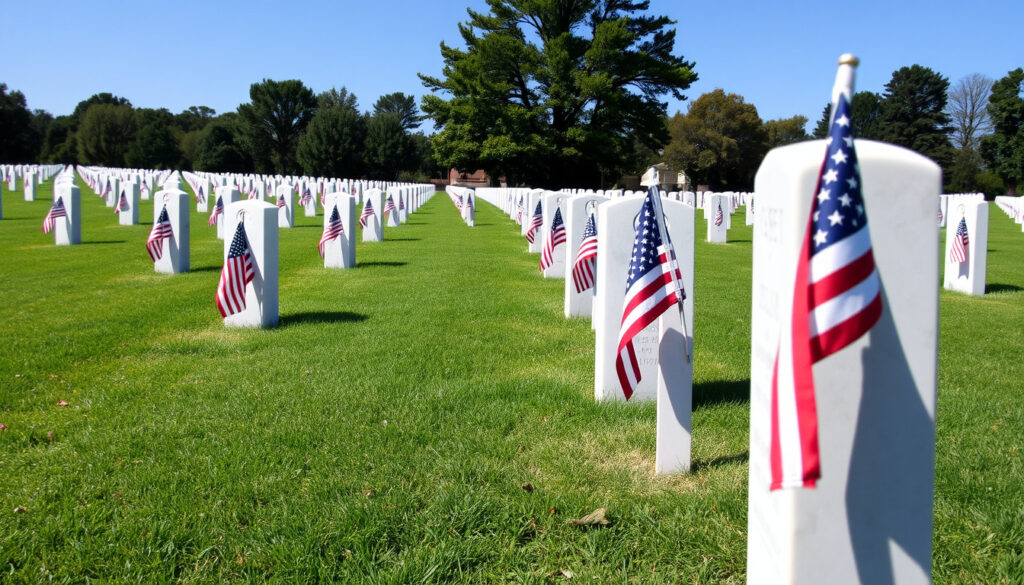
- Decorating graves with flags and flowers (PBS National Memorial Day Concert)
- Parades and ceremonies (National Cemetery Administration (U.S. VA))
- Avoid saying “Happy Memorial Day” (Wounded Warrior Project (veteran support organization))
- Wear red, white, and blue (USO (United Service Organizations))
- Attend ceremonies or pause for a moment of silence (Wounded Warrior Project (veteran support organization))
Here are the key facts about Memorial Day at a glance.
| Attribute | Value |
|---|---|
| Official Name | Memorial Day |
| Date | Last Monday of May |
| Established | 1868 (as Decoration Day) |
| Federal Holiday Since | 1971 |
| National Moment of Remembrance | 3:00 PM local time |
| Also Known As | Decoration Day (original) |
What is the true meaning of Memorial Day?
What is Memorial Day in the United States?
Memorial Day is a federal holiday dedicated to mourning and honoring U.S. military personnel who died in the line of duty. The National Cemetery Administration (U.S. Department of Veterans Affairs) calls it “the nation’s foremost annual day to mourn and honor deceased service members.” It is observed on the last Monday of May, a date set by the Uniform Monday Holiday Act, which took effect in 1971 (National Archives).
How is Memorial Day celebrated?
- Placing flags and flowers on graves at national cemeteries (PBS National Memorial Day Concert)
- Parades and community ceremonies
- The National Moment of Remembrance at 3:00 PM local time
- Many Americans also use the weekend as the unofficial start of summer (VA News)
The pattern: solemn remembrance coexists with seasonal celebration. The catch is that the holiday’s recreational side can sometimes overshadow its purpose.
When a holiday meant for mourning becomes a synonym for barbecues, the original intent risks fading. For military families, that distinction is deeply personal.
The implication: the true meaning of Memorial Day requires intentional recognition beyond the long weekend.
Is Memorial Day only for fallen soldiers?
What is the difference between Memorial Day and Veterans Day?
Yes — Memorial Day specifically honors those who died in military service. Veterans Day, observed on November 11, honors all U.S. veterans, living and deceased. The National Archives makes the distinction clear: “Memorial Day is for those who died in service; Veterans Day is for all those who have served.”
What is an ex-military person called?
The correct term is “veteran.” The U.S. Department of Veterans Affairs (VA) defines a veteran as someone who served in the active military and was discharged under conditions other than dishonorable. “Ex-military” is rarely used by official sources because it implies a past role that veterans consider a lifelong identity.
The implication: conflating the two holidays can be hurtful to survivors. Wishing a veteran “Happy Memorial Day” might feel disrespectful when the day is about their fallen comrades.
What happens at 3pm on Memorial Day?
What is the National Moment of Remembrance?
In 2000, Congress established the National Moment of Remembrance, asking Americans to pause for one minute at 3:00 PM local time. The National Cemetery Administration (U.S. VA) notes that the moment is often observed with a moment of silence, the playing of Taps, or by placing a hand over the heart.
How to participate in the moment of remembrance
- Stop whatever you are doing at 3:00 PM
- Observe a minute of silence
- If possible, listen for Taps at national cemeteries
- Many organizations broadcast the moment over loudspeakers or radio
The trade-off: a simple pause costs nothing, but it can recenter a day that often drifts into distractions.
The Moment of Remembrance is one of the few federally mandated silence events. For a country that rarely stops, this one minute is a deliberate act of collective memory.
The catch: without this pause, the holiday’s solemn purpose can easily get lost in the festivities.
What’s the difference between Memorial Day and Veterans Day?
What is Veterans Day?
Veterans Day, observed on November 11, originated as Armistice Day in 1919, marking the first anniversary of the end of World War I (Encyclopaedia Britannica). It became an official national holiday in 1938 and was renamed Veterans Day in 1954.
Is Memorial Day always on a Monday?
Yes, since 1971 the Uniform Monday Holiday Act fixed Memorial Day to the last Monday of May (National Cemetery Administration).
What was Memorial Day originally called?
It was originally called Decoration Day, a name derived from the post-Civil War practice of decorating soldiers’ graves. The National Archives confirms that the first national observance under that name took place on May 30, 1868, at the direction of General John A. Logan.
One pattern, two holidays: Memorial Day (fallen) vs. Veterans Day (all veterans). The table below lays out the contrasts.
| Dimension | Memorial Day | Veterans Day |
|---|---|---|
| Honors | Those who died in military service | All veterans (living and dead) |
| Date | Last Monday of May | November 11 |
| Origin | Decoration Day (1868) | Armistice Day (1919) |
| Federal holiday since | 1971 | 1938 (as Armistice Day) |
| Common greeting | “Have a meaningful Memorial Day” | “Thank you for your service” |
The implication: mixing them up is more than a calendar error — it misrepresents the sacrifice being honored.
What not to say on Memorial Day?
What color should be worn on Memorial Day?
Red, white, and blue are the most traditional colors, reflecting the U.S. flag. Black is also considered appropriate, especially at formal ceremonies. The USO (United Service Organizations) suggests that dressing respectfully signals recognition of the day’s solemnity.
What is traditionally eaten on Memorial Day?
There is no official meal, but because the holiday is the unofficial start of summer, many Americans hold barbecues, picnics, and cookouts. Hamburgers, hot dogs, and potato salad are common. The VA News notes that the shift toward leisure activities is a relatively recent cultural development.
What does Memorial Day mean to black Americans?
Historically, some of the earliest Decoration Day observances were organized by African American communities. On May 1, 1865, formerly enslaved people in Charleston, South Carolina, held a ceremony to honor Union soldiers who had died in a prisoner-of-war camp. This event is considered by some historians as one of the first Memorial Day-like commemorations, though the exact location of the first observance is disputed (PBS National Memorial Day Concert).
The pattern: the holiday’s meaning is not monolithic. For black Americans, Memorial Day also carries a legacy of emancipation and remembrance of those who fought for their freedom.
Saying “Happy Memorial Day” is widely considered inappropriate because it frames a day of mourning as a celebration. The Wounded Warrior Project (veteran support organization) advises using “Have a meaningful Memorial Day” instead.
The implication: the language we use on Memorial Day reflects whether we treat it as a solemn remembrance or just another holiday.
Timeline of Memorial Day
- 1868 — First Decoration Day observed under General John A. Logan’s proclamation (National Archives)
- 1873 — New York becomes the first state to designate Memorial Day a legal holiday (PBS National Memorial Day Concert)
- 1971 — Memorial Day becomes a federal holiday, fixed to the last Monday of May (National Cemetery Administration (U.S. VA))
- 2000 — National Moment of Remembrance established by Congress (National Cemetery Administration (U.S. VA))
Confirmed facts and what remains unclear
Confirmed facts
- Memorial Day is a federal holiday (National Cemetery Administration)
- Observed the last Monday of May (National Cemetery Administration)
- Originated as Decoration Day after the Civil War (National Archives)
- Honors service members who died in the line of duty (National Archives)
What’s unclear
- Exact location of the first observance (multiple claims: Waterloo, NY; Charleston, SC; etc.)
- Whether all states observed it from the beginning
Voices from history
“The 30th day of May, 1868, is designated for the purpose of strewing with flowers or otherwise decorating the graves of comrades who died in defense of their country.”
— General John A. Logan, Commander-in-Chief of the Grand Army of the Republic, National Archives
“I urge all Americans to observe Memorial Day by pausing for one minute at 3:00 PM local time to honor the men and women who have given their lives in service to our Nation.”
— Annual Presidential Proclamation, National Cemetery Administration (U.S. VA)
Memorial Day is not a generic “thank you for your service” holiday. It is a specific, solemn day for those who did not come home. For the families of the fallen, the difference between Memorial Day and Veterans Day is not academic — it is personal. The next time the last Monday in May rolls around, the choice is clear: treat it as a three-day weekend, or pause at 3:00 PM and remember why the day exists.
For more on military history, see our article on Attack on Pearl Harbor: Why Japan Attacked and What Happened.
en.wikipedia.org, en.wikipedia.org, gilderlehrman.org, theworldwar.org
Frequently asked questions
What is the origin of the red poppy as a Memorial Day symbol?
The red poppy is inspired by the World War I poem “In Flanders Fields” by John McCrae. The PBS National Memorial Day Concert explains that the American Legion adopted the poppy as a symbol of remembrance in 1920.
What is the National Memorial Day Parade?
The National Memorial Day Parade is held in Washington, D.C., on Memorial Day and is broadcast live. It features marching bands, veterans, and military units. The event is organized by the American Veterans Center.
How do military families honor Memorial Day?
Many visit national cemeteries to place flags or flowers on graves. Others attend private services or hold family gatherings focused on remembrance. The Wounded Warrior Project (veteran support organization) encourages families to share stories of their fallen loved ones.
Is Memorial Day a paid holiday for all workers?
Memorial Day is a federal holiday, so federal employees are paid. Private employers are not required by federal law to offer paid time off, though many do. State laws vary.
What is the significance of placing flags on graves?
Placing flags on graves is a tradition dating back to Decoration Day. The National Cemetery Administration (U.S. VA) notes that “Flags-in” is a ceremony where small American flags are placed at every grave in national cemeteries.
What is the difference between Memorial Day and Armed Forces Day?
Armed Forces Day, observed on the third Saturday of May, honors all current and former members of the U.S. military. It is distinct from both Memorial Day (fallen) and Veterans Day (all veterans).
More related posts
 Orlando Magic vs Pacers Match Player Stats – Box Score & Top Scorers
 T-Mobile Customer Perk Change: Ending Perks, Adding New Ones
 2024 Ford Mustang GT: Pricing, Specs, Common Problems
 Hoka Clifton 9 Women’s Review: Expert Insights and Facts
 Feliz Día del Padre: Wishes, Dates, and Traditions Guide
 rizzoli and i le ca t
 Golden Corral Near Me – Locations, Prices, Menus & Hours
 Dollar General Weekly Ad – Top Deals and Savings Guide